


描述
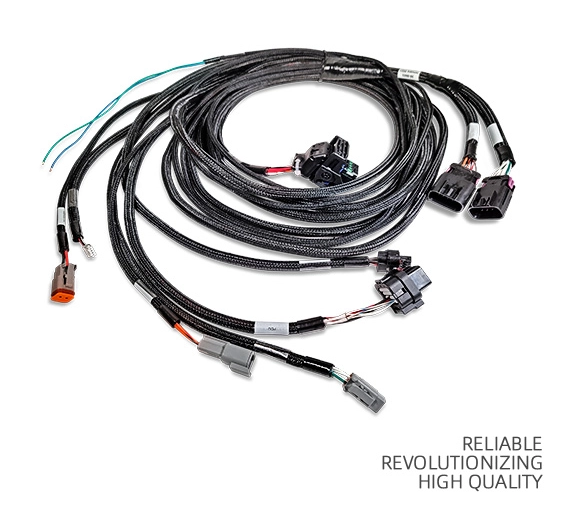
Front-and-rear wiring harnesses by RRH are designed to connect electrical components between the front and rear sections of vehicles, machinery, or large equipment, ensuring seamless power and signal transmission over extended distances. These harnesses feature long, flexible conductors (often tinned copper for corrosion resistance) bundled into a protective sleeve, which resists abrasion from movement, debris, and temperature fluctuations. Ideal for trucks, buses, construction machinery, and industrial robots, they integrate power lines (for lights, motors) and signal cables (for sensors, controls) into a single, manageable assembly. RRH customizes the length (from 5m to 50m) and connector types (weatherproof for outdoor use) to fit specific equipment, with strain relief at connection points to prevent wire damage from vibration. The organized design reduces clutter, minimizes installation time, and lowers the risk of short circuits. Whether linking a truck’s front engine to rear lights or a robot’s front arm to rear control systems, these harnesses ensure reliable connectivity across distances.
Product Advantage
Improved Durability with top quality manufactured insulation ensuring full compliance with industry standards, designed to withstand extreme temperatures, moisture and physical harms
RRH Cable we have the capability to manufacture grade A 99.9% pure copper precisely stranded in the insulators for the best conductivity and efficiency
Thanks to our expert craftsmanship, we provide high-quality cables that minimize the need for frequent maintenance or replacements, significantly reducing long-term operational costs.
Technical Parameters
Front Wiring Harness
AWG Conductor Area Voltage Rating Current Rating Insulation Type Conductor Material Core Type No. of Conductors Used For
20 – 16 AWG 0.5 – 1.3 mm² 12V – 48V DC 5 – 15 A PVC / XLPE / TPE Tinned Copper Stranded 20 – 80+ Headlights, sensors, switches, fans
22 – 18 AWG 0.34 – 0.82 mm² 12V – 24V DC 3 – 10 A PVC / FEP Tinned Copper Stranded 40 – 100 Dash electronics, control signals
14 – 10 AWG 2.1 – 5.3 mm² 12V – 60V DC 15 – 45 A XLPE / Silicone Bare Copper Stranded 2 – 10 Radiator fans, alternator, fuse box lines
26 – 24 AWG 0.13 – 0.2 mm² 5V – 12V (signal) <2 A PE / PVC / FEP Tinned Copper Stranded 20 – 50 CAN bus, data lines, ECU communication
Rear Wiring Harness
AWG Conductor Area Voltage Rating Current Rating Insulation Type Conductor Material Core Type No. of Conductors Used For
20 – 16 AWG 0.5 – 1.3 mm² 12V – 48V DC 5 – 15 A PVC / TPE / XLPE Tinned Copper Stranded 15 – 60+ Rear lighting, trunk actuators, cameras
24 – 22 AWG 0.2 – 0.34 mm² 5V – 12V (signal) <5 A PVC / FEP Tinned Copper Stranded 20 – 40 Rear sensors, fuel level sensors
14 – 10 AWG 2.1 – 5.3 mm² 12V – 60V DC 15 – 45 A Silicone / XLPE Bare Copper Stranded 2 – 8 EV charge port, rear fuse links
Product Uses
Front Wiring Harness
Engine Management Sensors (O2, MAF, knock), ignition coils, fuel injectors
Lighting Headlights, DRLs, fog lights, turn indicators
HVAC & Cooling Radiator fan, blower motor, A/C compressor clutch
Instrument Cluster & Controls Gauges, switches, dashboard indicators, steering controls
Safety Features Airbags (front), ABS sensors, horn
Communication ECU/TCU interconnects, CAN/LIN/FlexRay lines
Rear Wiring arnesses
Rear Lighting Tail lights, reverse lights, brake lights, turn signals
Trunk Functions Power tailgate, rear-view camera, cargo lighting
Safety & Sensors Parking sensors, radar units, rear airbags
Fuel & Emissions Fuel pump, fuel level sensor, EV charge port
Entertainment Rear speakers, entertainment screens, USB outlets
Battery or Auxiliary Units 12V battery, rear fuse box, EV battery interconnects
Product Operate Guide
Apply cable base on its insulation property
Always de-energize the system before working on cables
Proper PPE duing operation
Key Features
Feature Why It Matters
Correct Wire Gauge (AWG) Ensures the harness can handle the required current without overheating or voltage drop.
Stranded Copper Conductor Offers flexibility and durability—resists vibration and bending fatigue better than solid wire.
Heat-Resistant Insulation Prevents insulation breakdown in hot areas like the engine bay (front harness); maintains system safety.
Moisture-Resistant Jacket Protects rear harness from water ingress, especially in trunk and exterior areas.
Modular Design Simplifies assembly and replacement—modules can be easily plugged or swapped during repairs.
Color-Coded Wires Speeds up troubleshooting, repairs, and ensures correct installation during manufacturing.
Weight Optimization Critical for EVs and fuel-efficient vehicles—reduces unnecessary wire size and excess material.
EMC Compliance Ensures the vehicle meets legal and safety standards for electronic interference and emissions.
Fire-Retardant Materials Improves safety by limiting flame spread in case of short circuits or system failures.
Testing & Quality Checks Verifies function, safety, and durability before harnesses are installed—prevents costly recalls.
Shielded Signal Lines Reduces EMI (electromagnetic interference) in sensitive signal wires (CAN, camera, radar, sensors).
Proper Connector Selection Ensures secure mechanical/electrical connection and environmental sealing (IP67/IP69K rated if needed).
Harness Wrapping (Tapes/Sleeves) Protects against abrasion, improves aesthetics, and organizes wires for efficient routing.
Routing Compatibility Designed to fit chassis layout—avoids sharp bends, pinching, or interference with moving parts.
Vibration Resistance Vital for longevity—prevents conductor fatigue and intermittent electrical faults.
Spare Wires or Pins Future-proofs the system—supports upgrades or additions without redesigning the entire harness.
评价
目前还没有评价