


描述
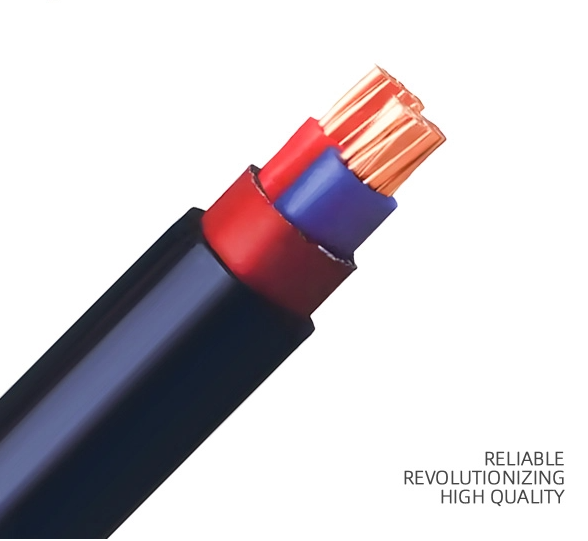
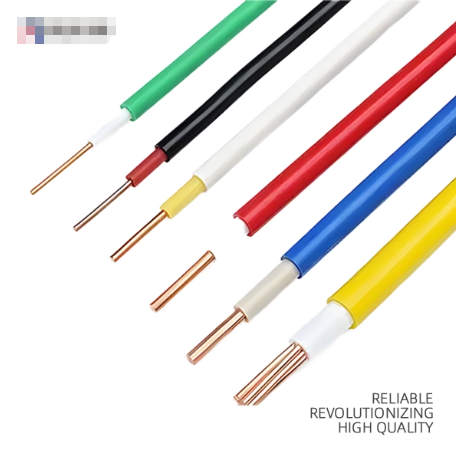
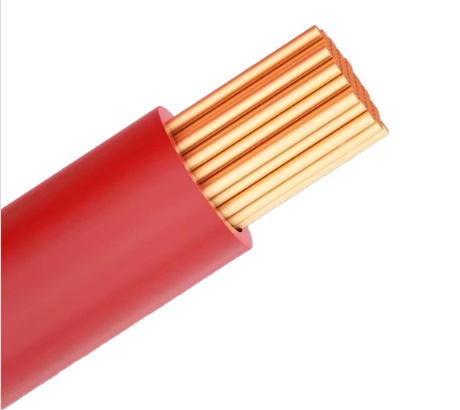
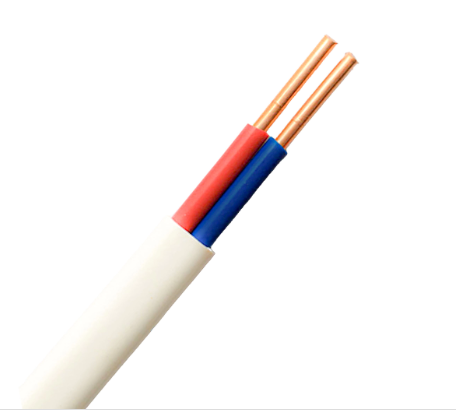
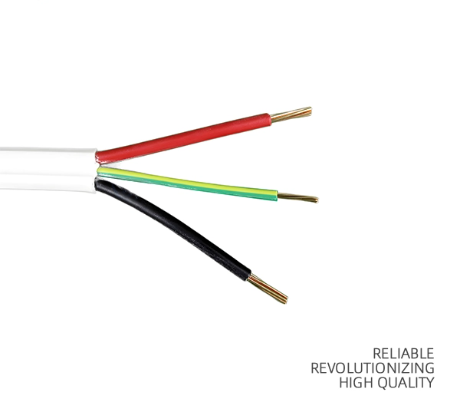
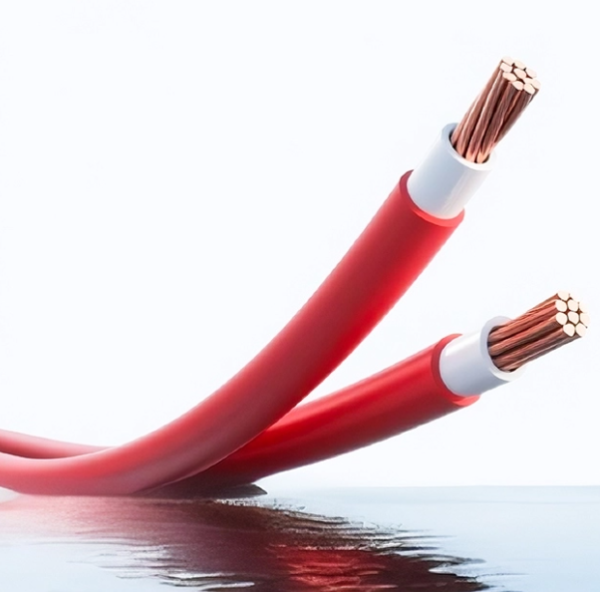
Low Voltage Cables by RRH are specifically designed for applications requiring up to 1kV of electrical power, making them a staple in residential and light industrial settings. These cables feature thin, flexible insulation (typically PVC or rubber) that allows for easy routing through tight spaces, such as wall cavities or behind appliances. The conductors, often made of stranded copper for added flexibility, ensure efficient power transfer to devices like refrigerators, air conditioners, and small industrial tools. RRH’s low voltage cables prioritize safety, with insulation that resists abrasion and chemical exposure, reducing the risk of short circuits. Available in various colors for easy circuit identification, they simplify installation and maintenance. Whether used in home renovations, office setups, or small workshops, these cables provide a cost-effective, reliable solution for low-power electrical needs, backed by RRH’s commitment to quality.
Product Advantage
Improved Durability with top quality manufactured insulation ensuring full compliance with industry standards, designed to withstand extreme temperatures, moisture and physical harms
RRH Cable we have the capability to manufacture grade A 99.9% pure copper precisely stranded in the insulators for the best conductivity and efficiency
Thanks to our expert craftsmanship, we provide high-quality cables that minimize the need for frequent maintenance or replacements, significantly reducing long-term operational costs.
Technical Parameters
AWG Size Size (mm²) Voltage Ampacity Temperature Insulation Conductor Material Core Type # Conductors # Strands
18 AWG 0.82 mm² 600V 14A 90°C PVC/Nylon (THHN/THWN-2) Copper Solid 1 1 (solid)
16 AWG 1.31 mm² 600V 18A 90°C PVC/Nylon (THHN/THWN-2) Copper Solid 1 1 (solid)
14 AWG 2.08 mm² 600V 25A 90°C PVC/Nylon (THHN/THWN-2) Copper Solid/Stranded 1–4 19 (stranded)
12 AWG 3.31 mm² 600V 30A 90°C PVC/Nylon (THHN/THWN-2) Copper Solid/Stranded 1–4 19 (stranded)
10 AWG 5.26 mm² 600V 40A 90°C PVC/Nylon (THHN/THWN-2) Copper Solid/Stranded 1–4 19 (stranded)
8 AWG 8.37 mm² 600V 55A 90°C PVC/Nylon (THHN/THWN-2) Copper Stranded 1–4 19 (stranded)
6 AWG 13.3 mm² 600V 75A 90°C PVC/Nylon (THHN/THWN-2) Copper Stranded 1–4 19 (stranded)
4 AWG 21.2 mm² 600V 95A 90°C PVC/Nylon (THHN/THWN-2) Copper Stranded 1–4 19 (stranded)
3 AWG 26.7 mm² 600V 110A 90°C PVC/Nylon (THHN/THWN-2) Copper Stranded 1–4 19 (stranded)
2 AWG 33.6 mm² 600V 130A 90°C PVC/Nylon (THHN/THWN-2) Copper Stranded 1–4 19 (stranded)
1 AWG 42.4 mm² 600V 150A 90°C PVC/Nylon (THHN/THWN-2) Copper Stranded 1–4 19 (stranded)
1/0 AWG 53.5 mm² 600V 170A 90°C PVC/Nylon (THHN/THWN-2) Copper Stranded 1–4 19 (stranded)
2/0 AWG 67.4 mm² 600V 195A 90°C PVC/Nylon (THHN/THWN-2) Copper Stranded 1–4 19 (stranded)
3/0 AWG 85.0 mm² 600V 225A 90°C PVC/Nylon (THHN/THWN-2) Copper Stranded 1–4 19 (stranded)
4/0 AWG 107.2 mm² 600V 260A 90°C PVC/Nylon (THHN/THWN-2) Copper Stranded 1–4 19 (stranded)
250 kcmil 126.7 mm² 600V 290A 90°C PVC/Nylon (THHN/THWN-2) Copper Stranded 1–4 37 (stranded)
300 kcmil 152.0 mm² 600V 320A 90°C PVC/Nylon (THHN/THWN-2) Copper Stranded 1–4 37 (stranded)
350 kcmil 177.3 mm² 600V 350A 90°C PVC/Nylon (THHN/THWN-2) Copper Stranded 1–4 37 (stranded)
400 kcmil 202.7 mm² 600V 380A 90°C PVC/Nylon (THHN/THWN-2) Copper Stranded 1–4 37 (stranded)
500 kcmil 253.3 mm² 600V 430A 90°C PVC/Nylon (THHN/THWN-2) Copper Stranded 1–4 37 (stranded)
600 kcmil 304.0 mm² 600V 475A 90°C PVC/Nylon (THHN/THWN-2) Copper Stranded 1–4 61 (stranded)
750 kcmil 380.0 mm² 600V 535A 90°C PVC/Nylon (THHN/THWN-2) Copper Stranded 1–4 61 (stranded)
Note
Ampacity can change based on ambient temperature, installation condition (in conduit, free air), and derating factors.
Insulation: Mostly Nylon-jacketed PVC for THHN/THWN-2; other types like XHHW use Cross-linked Polyethylene (XLPE).
Core Type: Smaller sizes are often solid for easier terminations; larger sizes are stranded for flexibility.
Number of Conductors: Single conductor is standard; multi-conductor assemblies exist (e.g., MC cable, tray cable).
Product Uses
Power Distribution, distributing electricity inside buildings (offices, homes, factories) from a main panel to outlets, lights, equipment.
Lighting Systems, especially in commercial buildings, warehouses, stadiums, street lights — LV cables connect to lighting fixtures.
Control Systems, sed in machinery or building automation to send control signals (like starting a motor or opening a valve).
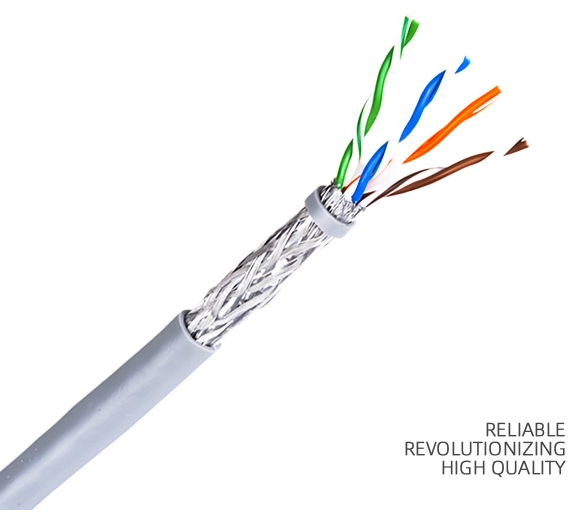
Data and Communication, some low voltage cables (like Cat5, Cat6) are specialized for networking, alarms, intercoms, or CCTV systems.
Fire Alarm Systems, fire-rated LV cables are used to connect fire detection and alarm devices.
Audio-Visual Installations Speakers, projectors, and home theater wiring often use low voltage cabling.
Renewable Energy Systems, solar panels, small wind turbines — low voltage cabling connects DC outputs to inverters and batteries.
Security Systems Access control, security cameras, and motion detectors are wired with LV cables.
Product Operate Guide
Apply cable base on its insulation property
Always de-energize the system before working on cables
Proper PPE duing operation
Key Features
Voltage Rating (Up to 1kV) :Safe for residential, commercial, and light industrial power and control applications — prevents electrical hazards at low voltages.
Flexibility : Easy to install around bends, ceilings, walls, and machinery — saves time and labor costs.
Shielding Options :Protects signals from electromagnetic interference (EMI), critical for clean data, communication, and control signals.
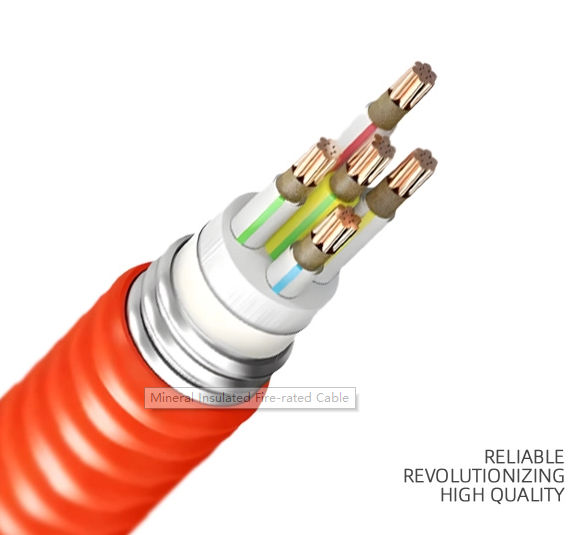
Fire Resistance (Rated Types):Ensures cables maintain circuit integrity during fire — essential for safety systems like alarms and emergency lighting.
Durability (Armored, Outdoor Rated): Withstands physical damage, weather, and UV exposure — increases system lifespan in harsh environments.
Color Coding and Labeling: Easier identification during installation, troubleshooting, or future upgrades — reduces errors and downtime.
Low Smoke Zero Halogen (LSZH) Options: Produces minimal toxic gases when burning — crucial for enclosed spaces like tunnels, ships, or crowded buildings.
Cost Efficiency :Lower material and installation costs compared to high voltage systems — ideal for widespread applications.
评价
目前还没有评价